
Pelvic Floor Physiotherapy in Alliston
Contact UsPelvic floor concerns can affect comfort, confidence, movement, bladder and bowel control, pregnancy, postpartum recovery, and daily quality of life. At South Simcoe Physiotherapy Clinic in Alliston, we provide compassionate, private, and evidence-based pelvic floor physiotherapy for people experiencing pelvic pain, leakage, pressure, pregnancy-related symptoms, postpartum concerns, and other pelvic health conditions.
Our trained pelvic floor physiotherapist takes a respectful, trauma-informed, consent-driven approach to care. Every assessment and treatment plan is tailored to your symptoms, comfort level, goals, and stage of life.
Whether you are looking for women’s health physio in Alliston, postpartum support, help with bladder leakage, or treatment for pelvic pain, our goal is to help you feel informed, supported, and more confident in your body.
INDEX
What Is Pelvic Floor Physiotherapy?
When Should You Consider Pelvic Floor Physiotherapy?
Pelvic Floor Conditions We Treat
What to Expect During Your First Pelvic Floor Physiotherapy Session
Pelvic Floor Physiotherapy Treatment Approaches
Why Choose South Simcoe Physiotherapy for Pelvic Floor Physiotherapy in Alliston?
Book Pelvic Floor Physiotherapy in Alliston
FAQs
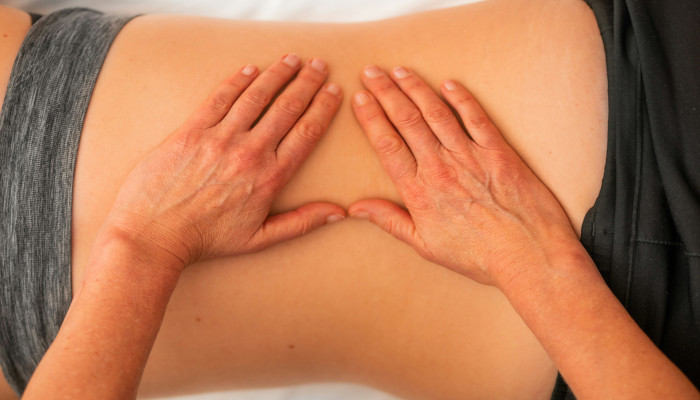
What Is Pelvic Floor Physiotherapy?
The pelvic floor is a group of muscles, ligaments, fascia, and nerves that support several important functions in the body. These structures play a role in:
Bladder and bowel control
Support for abdominal and pelvic organs
Core stability and pressure management
Sexual function
Pregnancy and postpartum support
Hip, low back, and pelvic coordination
When the pelvic floor muscles are too tight, weak, painful, or poorly coordinated, symptoms can develop. Pelvic floor physiotherapy helps assess and treat the pelvic floor as well as related areas such as the core, hips, low back, abdomen, and pelvis.
Treatment may include education, pelvic floor muscle training, relaxation strategies, breathing techniques, manual therapy, exercise prescription, and return-to-activity guidance.
When Should You Consider Pelvic Floor Physiotherapy?
You may benefit from pelvic floor physiotherapy if you are experiencing:
Bladder leakage when laughing, coughing, sneezing, running, or jumping
Frequent or urgent urination
Pelvic heaviness or pressure
Pain in the pelvic, abdominal, hip, low back, or groin area
Pain with intercourse
Pain during urination or bowel movements
Bowel leakage or difficulty controlling bowel movements
Symptoms during pregnancy or after childbirth
Recovery needs after gynecological, urological, abdominal, or pelvic surgery
Many people wait longer than they need to before asking for help. Pelvic floor symptoms are common, but they are not something you simply have to live with. A proper assessment can help identify contributing factors and guide a treatment plan that fits your needs.
Pelvic Floor Conditions We Treat
Stress Incontinence
Stress incontinence refers to involuntary urine leakage caused by increased pressure in the abdomen. This may happen when coughing, sneezing, laughing, running, jumping, lifting, or exercising.
Pelvic floor physiotherapy can help address strength, coordination, breathing mechanics, and pressure management.
Urgency and Overactive Bladder
Urgency is a sudden, strong need to urinate or have a bowel movement that can feel difficult to delay or control. Overactive bladder may include urgency, frequent urination, nighttime waking to urinate, and leakage.
Treatment may focus on bladder education, pelvic floor coordination, relaxation, breathing strategies, and lifestyle recommendations.
Pelvic Pain
Pelvic pain may feel like pressure, cramping, aching, discomfort, or pain in and around the pelvis. It may also involve the lower abdomen, groin, hips, buttocks, low back, or SI joint area.
Pelvic pain can be connected to several conditions, including endometriosis, pelvic inflammatory disease, uterine fibroids, ovarian cysts, menstrual cramps, interstitial cystitis/bladder pain syndrome, and prostatitis.
Pelvic Organ Prolapse
Pelvic organ prolapse can create sensations of heaviness, pressure, or bulging in the pelvic area. It may involve the bladder, rectum, uterus, small bowel, or vaginal vault.
Physiotherapy may help with education, pressure management, strengthening, movement strategies, and daily activity modifications.
Pregnancy and Postpartum Pelvic Health
Pregnancy and postpartum changes can affect the pelvic floor, core, hips, low back, and abdominal wall. Pelvic floor physiotherapy may help with:
Pelvic girdle pain
Low back pain
Symphysis pubis dysfunction
Tailbone discomfort
Birth preparation
Cesarean section recovery
Diastasis recti
Return to exercise
Postpartum leakage or pressure
For those looking for women’s health physio in Alliston, pelvic floor physiotherapy can provide support before, during, and after pregnancy.
Menopause-Related Pelvic Health Symptoms
Hormonal changes during menopause can contribute to urgency, incontinence, prolapse symptoms, pelvic discomfort, painful intercourse, vulvar dryness, and pain.
A pelvic floor physiotherapist can help assess contributing factors and create an individualized plan to support comfort, strength, and function.
Pre- and Post-Surgical Rehabilitation
Pelvic floor physiotherapy may also support recovery before or after certain surgeries, including hysterectomy, prostatectomy, pelvic organ prolapse repair, endometriosis surgery, colorectal surgery, cesarean section, gender-affirming surgeries, and pudendal nerve decompression.
What to Expect During Your First Pelvic Floor Physiotherapy Session
Your first appointment is typically about 60 minutes long. It begins with a detailed conversation about your symptoms, health history, goals, and concerns.
Your physiotherapist may assess areas such as:
Breathing patterns
Posture and alignment
Functional movement
Core control
Hip and low back movement
Abdominal muscles
Pelvic floor strength, tone, tension, and coordination
Sensation and symptom triggers
With your informed consent, your physiotherapist may discuss internal and external assessment options. An internal assessment is never mandatory. Your comfort, consent, and goals always guide the session.
After the assessment, your pelvic floor physiotherapist will work with you to create a personalized treatment plan based on your symptoms, findings, and priorities.
Pelvic Floor Physiotherapy Treatment Approaches
Your treatment plan may include:
Education about your symptoms and contributing factors
Pelvic floor muscle training
Relaxation and downtraining
Breathing strategies
Manual therapy techniques
Lifestyle and habit recommendations
Exercise prescription
Core, hip, and low back integration
Return-to-sport or return-to-exercise guidance
Pregnancy and postpartum rehabilitation
The goal is not only to treat symptoms but also to help you understand what is happening and how to manage your recovery with confidence.
Why Choose South Simcoe Physiotherapy for Pelvic Floor Physiotherapy in Alliston?
At South Simcoe Physiotherapy, pelvic floor care is provided in a private, respectful, and supportive environment. We understand that pelvic health concerns can feel personal or difficult to talk about, which is why your comfort and consent are central to every step of care.
Our approach is:
Compassionate
Private
Evidence-based
Trauma-informed
Consent-driven
Individualized to your goals
Whether you are dealing with leakage, pelvic pain, pregnancy-related discomfort, postpartum changes, prolapse symptoms, or menopause-related concerns, our pelvic floor physiotherapist can help you take the next step toward better comfort and function.
Book Pelvic Floor Physiotherapy in Alliston
If you are experiencing pelvic floor symptoms, you do not have to manage them alone. Pelvic floor physiotherapy can help identify what is contributing to your symptoms and provide a personalized plan to support your recovery.
Book an appointment for pelvic floor physiotherapy in Alliston at South Simcoe Physiotherapy and speak with a trained pelvic floor physiotherapist in a private, supportive setting.
FAQs
Do I need an internal exam?
No. An internal exam is never mandatory. Your pelvic floor physiotherapist will explain all assessment and treatment options beforehand and will only proceed with your explicit informed consent. Internal assessments can provide helpful information about the pelvic floor muscles, but external assessments and alternative options are also available. Your comfort level and goals always guide care.
Is pelvic floor physiotherapy only for women?
No. Pelvic floor physiotherapy can benefit people of all genders. Pelvic floor concerns can include bladder or bowel issues, pelvic pain, post-surgical recovery, sexual function, core dysfunction, and concerns related to exercise or aging. Treatment is always individualized.
What should I wear to pelvic floor physiotherapy?
Wear comfortable clothing that allows you to move easily, such as athletic or loose-fitting clothes. Depending on your assessment, your physiotherapist may look at posture, breathing, core control, or movement patterns.
How many pelvic floor physiotherapy sessions will I need?
The number of sessions depends on your symptoms, goals, and how long the issue has been present. Some people notice improvement within a few visits, while others benefit from continued treatment and support. Your physiotherapist will create a personalized plan and adjust it as you progress.
Is pelvic floor physiotherapy safe during pregnancy?
Yes. Pelvic floor physiotherapy can be safe and beneficial during pregnancy when provided by a trained pelvic health physiotherapist. Treatment is modified based on your stage of pregnancy, symptoms, comfort level, and needs. It may help with pelvic pain, low back pain, pressure, leakage, core changes, and birth preparation.
Is bladder leakage normal after childbirth or with age?
Bladder leakage is common, but it does not have to be considered normal. Pregnancy, postpartum recovery, aging, and hormonal changes can affect the pelvic floor, but leakage can often improve with proper assessment and treatment. Pelvic floor physiotherapy can address factors such as weakness, tension, coordination, breathing mechanics, and pressure management.