
INDEX
Why Do Knees Crack?
When Is Knee Cracking Normal?
When Should You Be Concerned?
Does Knee Cracking Mean Arthritis?
Can Exercise Make Knee Cracking Worse?
A Patient Story
How Can Physiotherapy Help?
The Bottom Line
Have you ever stood up from a chair and heard your knee crack? Maybe it pops when you squat, climb stairs, or straighten your leg. For many people, these sounds can be alarming, leading them to wonder if something is damaged inside the joint.
The good news is that most knee cracking is completely normal and doesn’t mean your knee is being damaged.
At South Simcoe Physiotherapy, one of the most common questions we hear is, “Why does my knee keep cracking?” The answer depends on whether the noise is accompanied by pain, swelling, or loss of function. Let’s take a closer look at why knees make noise and when it’s time to seek professional advice.
Why Do Knees Crack?
Knee noises have several different causes, and not all of them indicate an injury.
1. Gas Bubbles in the Joint
One of the most common reasons for a cracking or popping sound is the release of tiny gas bubbles within the joint fluid.
Your knee contains synovial fluid, which lubricates the joint and helps it move smoothly. Dissolved gases can collect in this fluid and occasionally release as the joint moves, creating a popping or cracking sound.
This is similar to cracking your knuckles and is generally harmless.
2. Tendons or Ligaments Moving
As you bend and straighten your knee, tendons and ligaments glide over nearby bones.
Occasionally, these tissues shift position and then snap back into place, producing a click or pop.
This is especially common after sitting for long periods or during certain exercises. If there is no pain or swelling, this type of cracking is usually nothing to worry about.
3. Cartilage Changes
As we age, the smooth cartilage covering our joints naturally changes over time.
Instead of perfectly smooth surfaces gliding together, small areas may become rougher, leading to grinding or crackling sensations known as crepitus.
Many people with mild arthritis experience crepitus without significant pain, while others have perfectly quiet knees despite advanced arthritis. The amount of noise does not necessarily reflect the severity of joint changes.
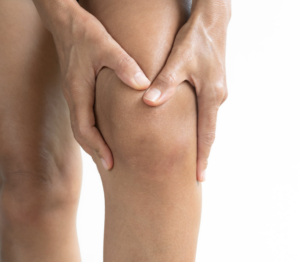
When Is Knee Cracking Normal?
In most cases, knee cracking is considered normal if:
- There is no pain.
- There is no swelling.
- Your knee doesn’t lock or give way.
- You have full movement.
- The noises occur occasionally during normal activities.
Many healthy athletes have knees that crack regularly without any underlying injury.
The sound itself is rarely the problem—it’s the symptoms that accompany it that matter most.
When Should You Be Concerned?
Although most knee noises are harmless, there are situations where a physiotherapy assessment is recommended.
You should consider booking an appointment if your knee cracking is accompanied by:
- Pain during walking, squatting, or stairs.
- Swelling after activity.
- A feeling that the knee gives out.
- Locking or catching of the joint.
- Difficulty fully bending or straightening the knee.
- A recent injury followed by popping and instability.
These symptoms may indicate conditions such as a ligament injury, meniscus injury, tendon irritation, or arthritis that would benefit from further assessment.

Does Knee Cracking Mean Arthritis?
Not necessarily.
One of the biggest misconceptions is that every crack or pop means arthritis is developing.
In reality, many young adults with completely healthy knees experience frequent cracking, while many people with arthritis report very little noise.
Arthritis is diagnosed based on a combination of symptoms, physical examination, and sometimes imaging—not simply because your knee makes noise.
Pain, stiffness, reduced mobility, and difficulty with daily activities are much more important indicators than sound alone.
Can Exercise Make Knee Cracking Worse?
This is another common concern.
Many people stop exercising because they hear their knees crack during squats, lunges, or stair climbing.
If the movement is pain-free, the cracking itself is usually not harmful.
In fact, regular exercise is one of the best ways to keep your knees healthy.
Strengthening the muscles around the knee improves joint stability, reduces stress on the joint, and can even decrease uncomfortable grinding sensations over time.
Avoiding activity completely often leads to weaker muscles, reduced mobility, and increased discomfort.
A Patient Story
Mike, a 52-year-old recreational golfer, visited our clinic because his knees cracked every time he stood up.
He was convinced he was “wearing them out” and had stopped exercising altogether.
During his assessment, we found no signs of serious injury. His knees had full range of motion, no swelling, and only mild weakness in his quadriceps and hip muscles.
We reassured him that the cracking itself wasn’t causing damage and designed a strengthening program focused on improving lower-body strength and flexibility.
After six weeks, Mike reported feeling stronger and more confident. Although his knees still made occasional noises, they were completely pain-free, and he had returned to golfing, hiking, and regular gym workouts without worry.
Sometimes, understanding what the noise means is just as important as treating the body itself.
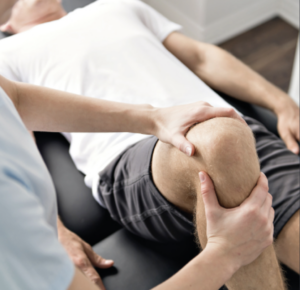
How Can Physiotherapy Help?
If knee cracking is associated with pain or reduced function, physiotherapy can identify the underlying cause and develop a treatment plan tailored to your needs.
Your physiotherapist may assess:
- Joint mobility.
- Muscle strength.
- Balance and movement patterns.
- Walking and running mechanics.
- Hip and ankle mobility.
- Flexibility.
Treatment may include strengthening exercises, mobility work, balance training, manual therapy, and education to help you move confidently without fear of causing damage.
The Bottom Line
Hearing your knee crack can certainly be surprising, but in most cases, it’s completely normal. Gas bubbles, moving tendons, and natural joint movement are all common causes of painless cracking and don’t necessarily indicate an injury.
However, if your knee noises are accompanied by pain, swelling, instability, or difficulty with everyday activities, it’s worth having them assessed by a physiotherapist.
At South Simcoe Physiotherapy, we help patients understand what’s happening in their knees and develop personalized treatment plans that keep them moving confidently. If you’re unsure whether your knee cracking is normal, a professional assessment can provide peace of mind and help you stay active for years to come.
Frequently Asked Questions
Why does my knee crack when I stand up or squat?
Knee cracking commonly comes from tiny gas bubbles in the synovial fluid releasing, or from tendons and ligaments snapping over bony surfaces as the joint moves. These sounds are usually harmless if they occur without pain, swelling, locking, or loss of function.
Does knee cracking mean I have arthritis?
Not necessarily. Noise alone is a poor indicator of arthritis. Arthritis is diagnosed based on symptoms like persistent pain, stiffness, reduced mobility, clinical examination, and sometimes imaging. Many people with healthy knees also experience frequent cracking.
When should I see a physiotherapist about my knee noise?
Book an assessment if the cracking is accompanied by pain during activity, swelling, a feeling of the knee giving way, locking or catching, difficulty fully bending or straightening, or if the noise follows a recent injury. These signs can indicate conditions that benefit from further evaluation.
Can exercise make knee cracking worse?
If movements are pain-free, exercise generally does not worsen knee cracking and is often beneficial. Strengthening the muscles around the knee improves stability and can reduce symptoms over time. Avoiding activity may lead to weakness and increased discomfort.
How can physiotherapy help with noisy knees?
A physiotherapist will assess joint mobility, muscle strength, movement patterns, and hip/ankle mobility to identify contributing factors. Treatment may include targeted strengthening, mobility and balance exercises, manual therapy, and education to improve function and reduce symptoms.