
In this month’s South Simcoe Physiotherapy blog post, we are going to look at what physiotherapy may look like after a total knee replacement. It is important to note that one individual’s rehab is not going to look like another – even though two different people get the same total knee replacement procedure, their physiotherapy will likely be very different!
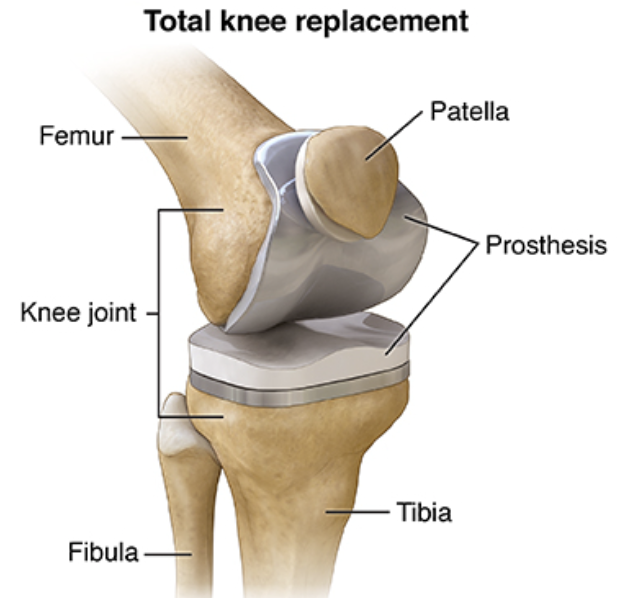
Physiotherapy Rehabilitation After Total Knee Replacement
Total knee replacement (TKR), also known as total knee arthroplasty, is a common surgical procedure performed to relieve pain and restore function in individuals with severe knee joint damage, often due to osteoarthritis or rheumatoid arthritis. While surgery is a significant step toward improved mobility, the success of TKR heavily relies on effective rehabilitation guided by physiotherapy.
The Importance of Physiotherapy After TKR
Physiotherapy plays a crucial role in:
- Reducing pain and swelling
- Restoring range of motion (ROM)
- Improving muscle strength and endurance
- Enhancing balance and proprioception
- Facilitating a safe return to daily activities and hobbies
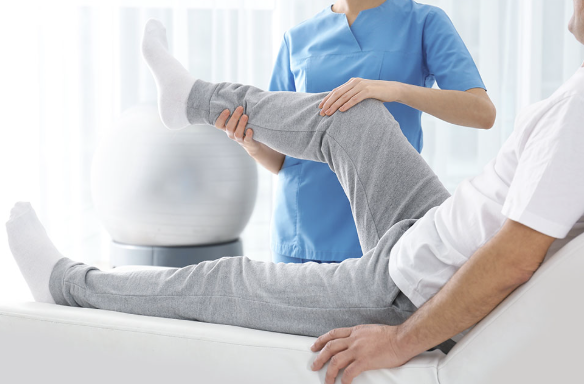
A structured physiotherapy program helps patients achieve optimal outcomes and regain independence as quickly as possible.
Phases of Rehabilitation After TKR
Rehabilitation is typically divided into distinct phases, each with specific goals and exercises.
Phase 1: Immediate Post-Operative Phase (0-2 Weeks)
Goals:
- Manage pain and swelling
- Protect the surgical site
- Prevent complications like blood clots or infections
- Begin gentle movement and mobility
Key Interventions:
- Cryotherapy: Using ice packs to reduce pain and swelling.
- Ankle Pumps: Simple exercises to improve blood circulation and prevent clots.
- Quadriceps Activation: Isometric exercises to re-engage the quadriceps muscle.
- Knee Flexion and Extension: Gentle ROM exercises, such as heel slides, to prevent stiffness.
- Walking Aids: Instruction on using walkers or crutches to ensure safe mobility.
Phase 2: Early Rehabilitation (2-6 Weeks)
Goals:
- Increase ROM
- Improve weight-bearing ability
- Begin strengthening exercises
- Promote normal gait patterns
Key Interventions:
- Range of Motion Exercises: Gradually increasing knee flexion and extension with seated or supine stretches.
- Strengthening Exercises:
- Straight leg raises
- Mini squats
- Step-ups
- Balance and Proprioception Training:
- Gentle shifts of body weight.Standing on one leg (supported initially)
- Gait Training: Focus on improving walking mechanics and reducing limp.
Phase 3: Strength and Functional Recovery (6-12 Weeks)
Goals:
- Restore full ROM (typically 0-120 degrees of knee flexion)
- Build muscle strength
- Improve functional activities
- Transition to less reliance on assistive devices
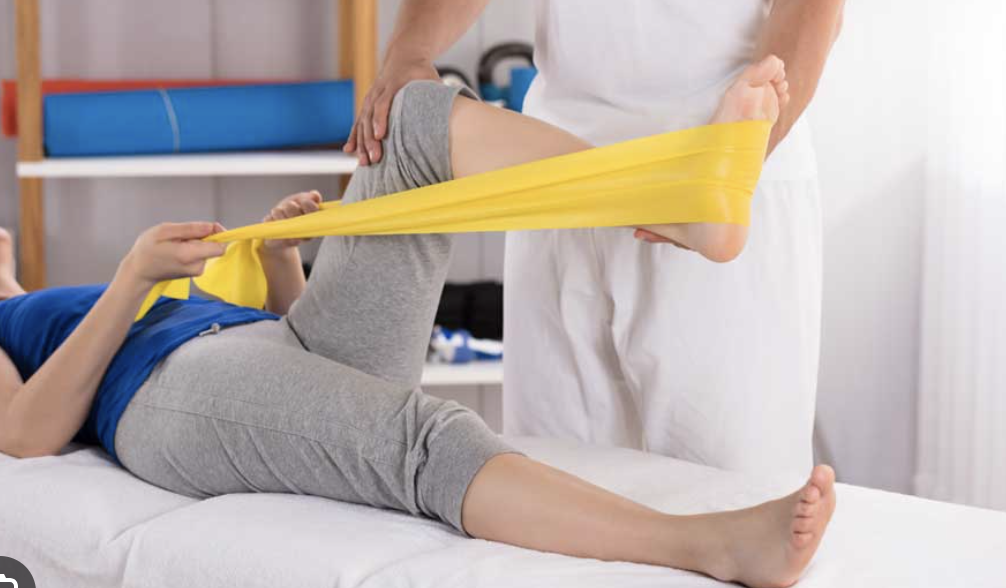
Key Interventions:
- Advanced Strengthening:
- Resistance band exercises
- Leg presses
- Wall sits
- Functional Training:
- Stair climbing
- Sit-to-stand transitions
- Walking on various surfaces
- Low-Impact Cardiovascular Exercises:
- Stationary cycling
- Swimming
Phase 4: Advanced Rehabilitation and Return to Activity (3-6 Months)
Goals:
- Achieve full strength and endurance
- Resume low-impact recreational activities
- Ensure long-term knee joint protection
Key Interventions:
- Dynamic Exercises:
- Lunges
- Side steps with resistance
- Sports and Activity-Specific Training:
- Golfing
- Dancing
- Light jogging (if approved by the surgeon)
- Home Exercise Program: Ensures continued progress and maintenance of strength.
Tips for a Successful Rehabilitation
1.Consistency is Key: Adhering to your physiotherapy schedule and home exercise program ensures steady progress.
2.Listen to Your Body: Some discomfort is normal, but sharp pain or swelling warrants a pause and consultation with your physiotherapist or surgeon.
3.Focus on Hydration and Nutrition: Proper hydration and a nutrient-rich diet aid in tissue healing and energy levels.
4.Maintain Good Communication: Regularly update your physiotherapist about your progress, concerns, and goals.
Common Challenges and How Physiotherapy Helps
- Stiffness: Intensive manual therapy and stretching exercises improve joint flexibility.
- Weakness: Strengthening exercises target the quadriceps, hamstrings, and surrounding muscles.
- Balance Issues: Proprioceptive training enhances stability and confidence during movement.
- Fear of Movement: Education and graded exposure to activities reduce fear and promote safe mobility.
When to Seek Professional Guidance
While many patients recover successfully with physiotherapy, some may require additional interventions. Consult your physiotherapist or surgeon if you experience:
- Persistent swelling or redness
- Severe pain that limits movement
- Difficulty progressing with exercises
- Any signs of infection, such as fever or wound drainage

Frequently Asked Questions
- What role does physiotherapy play after a total knee replacement?
Physiotherapy is crucial for reducing pain, restoring range of motion, improving muscle strength, enhancing balance, and facilitating a safe return to daily activities. - What are the phases of rehabilitation after total knee replacement?
The rehabilitation phases include Immediate Post-Operative (0-2 weeks), Early Rehabilitation (2-6 weeks), Strength and Functional Recovery (6-12 weeks), and Advanced Rehabilitation (3-6 months). - What should I focus on during physiotherapy rehabilitation?
Focus on consistency in attending therapy sessions, listening to your body, maintaining hydration and nutrition, and communicating with your physiotherapist about progress. - What common challenges do patients face after knee replacement?
Common challenges include stiffness, weakness, balance issues, and fear of movement, all of which can be addressed through specific physiotherapy interventions. - When should I seek professional guidance during recovery?
Seek professional guidance if you experience persistent swelling, severe pain limiting movement, difficulty progressing with exercises, or any signs of infection.