
Dizziness is one of the most unsettling symptoms a person can experience. Many people describe it as spinning, lightheadedness, imbalance, or a feeling of being “off.” One of the most common causes of dizziness is Benign Paroxysmal Positional Vertigo (BPPV)—but it’s far from the only one.
Because different causes of dizziness require very different treatments, understanding the key differences matters. This blog explains what BPPV is, how it feels, and how it differs from other common causes of dizziness.
What Is BPPV?
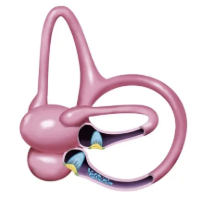
BPPV occurs when tiny calcium carbonate crystals (called otoconia) inside the inner ear become dislodged and move into the semicircular canals. These canals help detect head movement and balance. When the crystals move where they shouldn’t, they send false signals to the brain, causing a sudden sensation of spinning—known as vertigo.
BPPV is:
- Benign (not dangerous)
- Paroxysmal (comes in brief episodes)
- Positional (triggered by specific head movements)
- Vertigo (a spinning sensation)
What BPPV Typically Feels Like
People with BPPV often report:
- Sudden spinning when rolling in bed
- Vertigo when looking up or down
- Dizziness when lying down or sitting up
- Short episodes lasting seconds to under a minute
- Feeling normal between episodes
- Possible nausea, but usually no hearing changes
The key feature of BPPV is that dizziness is clearly linked to specific head positions.

How BPPV Is Different From Other Causes of Dizziness
Not all dizziness is vertigo, and not all vertigo is BPPV. Here’s how BPPV compares to other common causes.
BPPV vs Vestibular Neuritis or Labyrinthitis
Vestibular neuritis and labyrinthitis are caused by inflammation of the inner ear or vestibular nerve, often following a viral illness.
Key Differences:
- Dizziness is constant, not brief
- Symptoms last days to weeks, not seconds
- Often accompanied by severe nausea
- Labyrinthitis may include hearing loss
- Movement worsens symptoms, but doesn’t trigger brief spinning
Unlike BPPV, these conditions do not cause short, position-specific episodes of vertigo.
BPPV vs Cervicogenic Dizziness (Neck-Related)
Cervicogenic dizziness originates from the neck and is often associated with:
- Neck pain or stiffness
- Poor posture
- Whiplash or previous neck injury
Key Differences:
- Dizziness is often described as unsteadiness, not spinning
- Head movements cause discomfort, not true vertigo
- Symptoms are usually more constant
- Neck movement reproduces symptoms more than position changes
BPPV causes a true spinning sensation, while neck-related dizziness usually does not.
BPPV vs Orthostatic Hypotension
Orthostatic hypotension occurs when blood pressure drops quickly when standing up.
Key Differences:
- Dizziness happens when standing, not rolling in bed
- Feels like lightheadedness or faintness
- No spinning sensation
- Improves within seconds of sitting or lying down
- Often related to dehydration or medications
BPPV is triggered by head position, not changes in body posture.
BPPV vs Migraine-Associated Dizziness
Some people experience dizziness as part of migraine activity, even without a headache.
Key Differences:
- Dizziness may last minutes to hours
- Sensitivity to light or sound
- History of migraines
- Symptoms may fluctuate unpredictably
- Often not consistently triggered by the same movements
BPPV is highly predictable—the same movement causes the same dizziness every time.
How Physiotherapists Diagnose BPPV
BPPV is diagnosed through:
- A detailed history of symptoms
- Positional testing (such as the Dix-Hallpike test)
- Observation of specific eye movements called nystagmus
Imaging is rarely needed unless red flags are present.
The good news? BPPV is one of the most treatable causes of dizziness.
How BPPV Is Treated
Treatment involves specific repositioning maneuvers, such as:
- The Epley maneuver
- Semont maneuver
- BBQ roll (for horizontal canal BPPV)
These maneuvers guide the displaced crystals back to where they belong. Many people experience significant relief in 3-5 sessions.
Red Flags: When It’s Not BPPV
Seek medical attention if dizziness is accompanied by:
- Sudden weakness or numbness
- Difficulty speaking or swallowing
- Double vision
- Severe headache unlike any before
- Loss of consciousness
These symptoms are not typical of BPPV and require urgent assessment.
The Bottom Line
BPPV causes brief, intense episodes of spinning triggered by specific head movements. It feels dramatic but is highly treatable. Other causes of dizziness tend to be more constant, less predictable, and often include additional symptoms like hearing changes, neck pain, or faintness.
If you’re unsure what’s causing your dizziness, a proper assessment is essential. Identifying the correct cause ensures you receive the right treatment—without unnecessary tests or delays.
Physiotherapy can play a key role in diagnosing and treating vestibular conditions like BPPV, helping you return to normal movement with confidence and clarity.
Frequently Asked Questions
- What is BPPV?
Benign Paroxysmal Positional Vertigo (BPPV) is a condition where tiny calcium carbonate crystals in the inner ear become dislodged, causing brief episodes of vertigo triggered by specific head movements. - What are common symptoms of BPPV?
Symptoms of BPPV include sudden spinning sensations when rolling in bed, dizziness with head movements, and episodes lasting seconds, with normal feelings in between. - How does BPPV differ from vestibular neuritis?
Unlike BPPV, vestibular neuritis presents with constant dizziness lasting days to weeks, often accompanied by severe nausea, and does not trigger brief spinning episodes. - What is the main treatment for BPPV?
The main treatments for BPPV are specific repositioning maneuvers such as the Epley maneuver, which help guide the displaced crystals back to their proper location. - When should I seek medical attention for dizziness?
Seek medical attention if dizziness is accompanied by sudden weakness, difficulty speaking, severe headaches, or loss of consciousness, as these symptoms are not typical of BPPV.